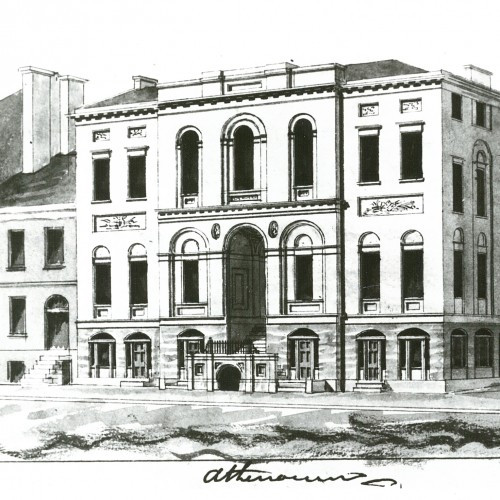
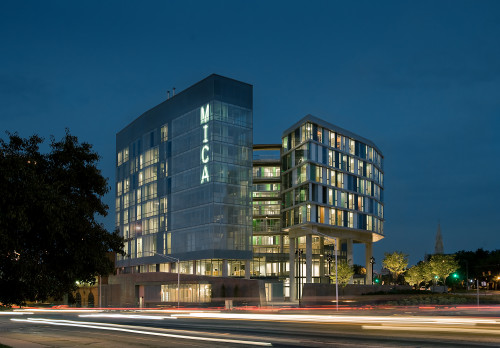
What began as a single building for artists has unfolded into a city-embedded community of studios, labs, residence halls, and public spaces, continually reimagined to support new ways of learning, making, and collaborating as art, design, and society evolve.
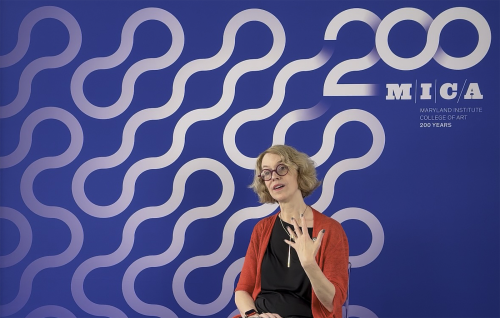
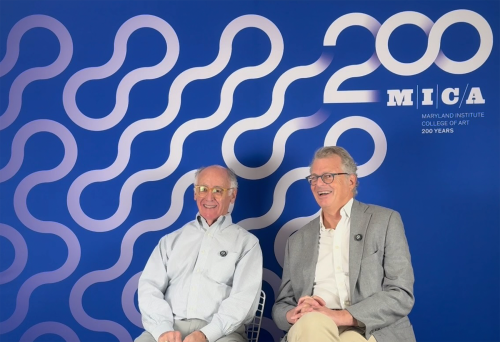
For Ellen Lupton, Betty Cooke & William Steinmetz Design Chair, Graphic Design MFA program, that physical environment matters deeply. “I love beautiful architecture, beautiful streets, and beautiful buildings,” she says. “MICA is just so beautiful… The environment itself is a source of inspiration.” Across campus, inventive uses of space, structure, and materials quietly instruct alongside faculty—shaping how ideas take form.
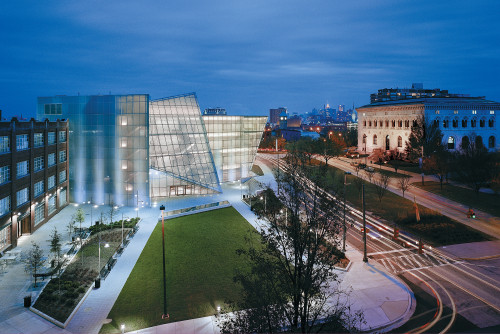
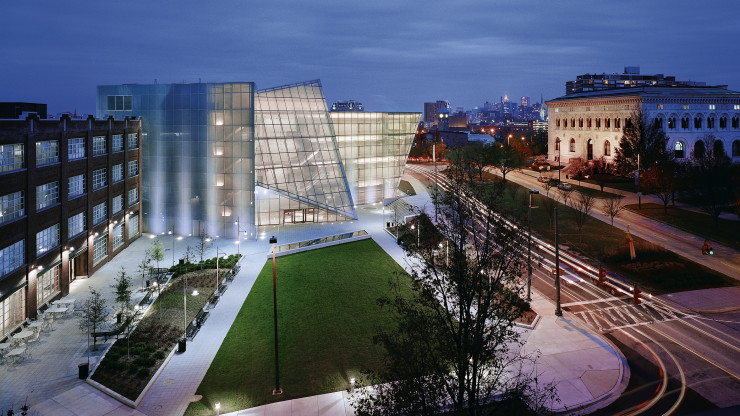
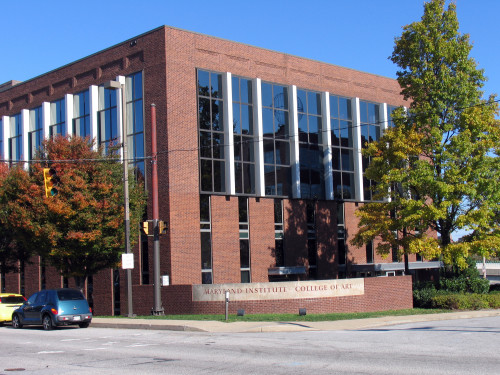
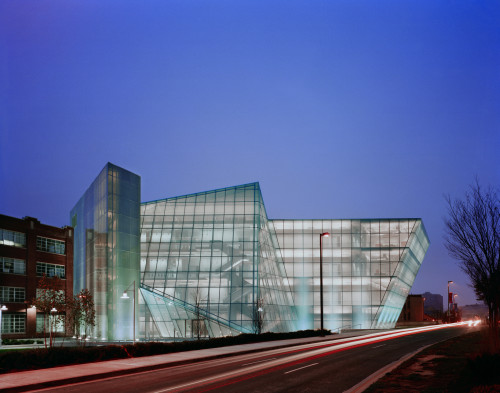
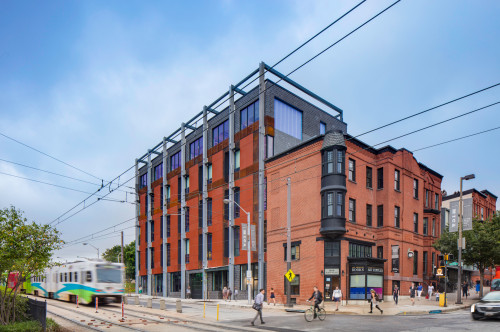
Nowhere is that dialogue more visible than along Mount Royal Avenue, where the Brown Center leans forward in glass and light, in conversation with the historic Main Building. Designed by architects Steve Ziger and Jamie Snead, the building was meant to signal something essential: creativity lives here. “It was important for MICA to make a statement,” Ziger recalls, “to show that it was a thriving, vital, progressive institution.” From bridges of light to boldly exposed mechanical systems, the campus reflects a belief that even pragmatic choices can become creative acts.
That commitment resonates beyond campus boundaries. For Lee Tawney, president of the Bolton Hill Community Association, MICA’s buildings are a promise kept. From adaptive reuse of historic structures to modern counterpoints like the Brown Center, “these structures make a statement,” he says. “MICA is committed, MICA is invested, MICA is part of us.”
As MICA approaches its 200th year, its campus tells a story of continuity and reinvention, honoring history while making space for what’s next. Beauty, here, is not decoration. It’s an ethic.
Rooted in existing architecture
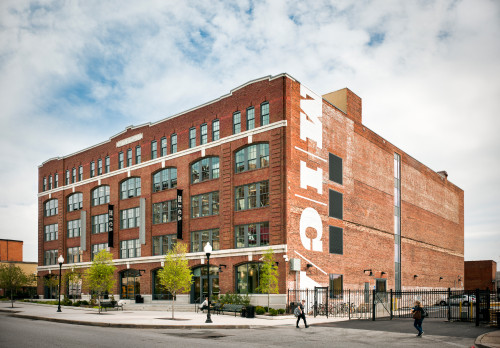
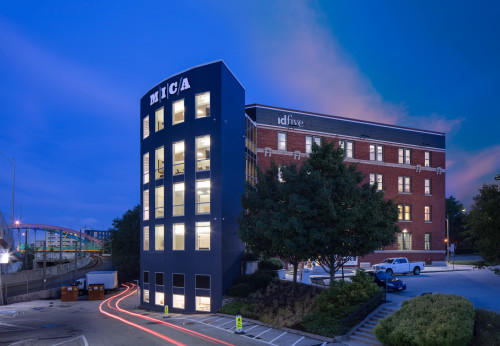
Rather than constructing a single, isolated campus, MICA grew by reclaiming Baltimore’s architectural fabric—rail stations, factories, warehouses, offices, and residences and reimagining them as studios, classrooms, residence halls, and administrative centers. Many of these spaces retain visible traces of their former lives, reinforcing a culture where process, experimentation, and reuse are central to artistic practice.
Examples of adaptive reuse at MICA
-
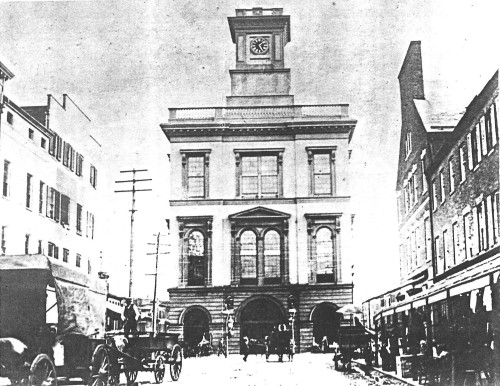
Mount Royal Station: A former 19th-century railroad station repurposed as academic and studio space, linking transportation history with creative movement.
-
Bunting Center: Converted industrial and commercial structures unified into a fine arts building, preserving scale and material while updating for contemporary practice.
-
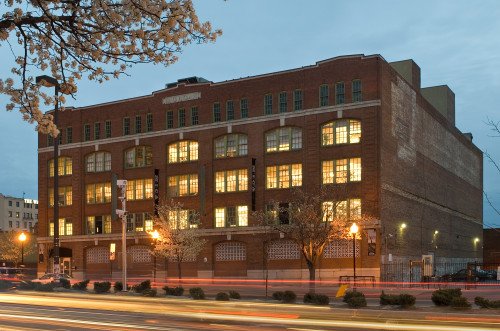
Dolphin Design Center: A former industrial building reimagined for design education, bringing light, flexibility, and collaboration into a once utilitarian space.
-
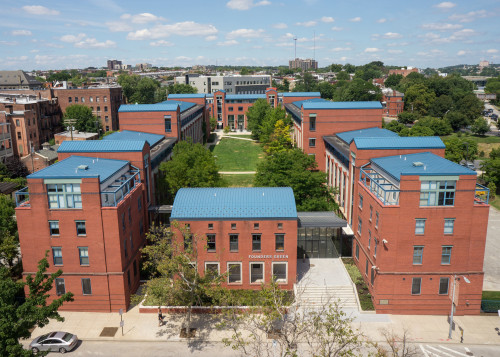
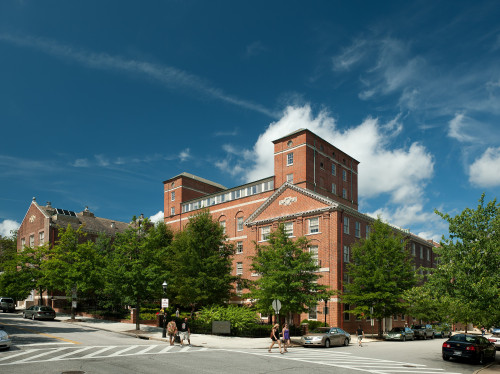
Meyerhoff House: Originally constructed in 1882 as the Hospital for the Women of Maryland, the second women’s hospital in the United States, MICA adapted the building for student housing, reinforcing campus life within the surrounding neighborhood.
-
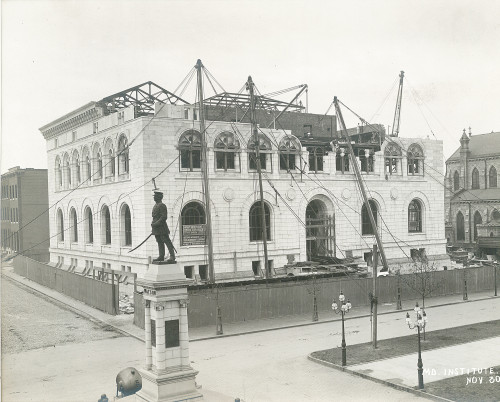
Main Building (1908): Purpose-built yet deeply embedded in Baltimore’s urban grid, anchoring MICA’s long-standing presence in the city.
A philosophy, not just a strategy
This approach expresses MICA’s belief that cities are living classrooms. Students learn not only within walls, but from them—absorbing lessons about sustainability, preservation, and transformation. By adapting Baltimore’s buildings rather than replacing them, MICA models how design can honor history while shaping the future.