Artist
Whitney Sherman ’71
Credit
Image courtesy of the artist.
Whitney Sherman ’71 (Photography BFA) / Founding Director of MFA in Illustration Practice, Co-founder of MA in Illustration
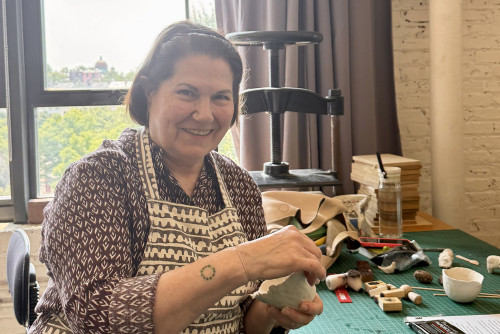
When Whitney Sherman arrived at MICA, she was a teenager from suburban New Jersey who knew only that she wanted to attend an art college. She had applied to a handful of schools, but MICA drew her in for reasons both practical and poetic. Baltimore was far enough from home to give her independence, yet close enough that her father could collect her from the Newark train station and have her home within 20 minutes. More importantly, MICA was a city school, set within a vibrant and attainable urban landscape that seemed to promise both opportunity and adventure.
“I wanted to be in a place I could really get to know,” Sherman recalls. “MICA had a little bit of everything. It wasn’t overwhelming, but it was enough of a world to expand into.”
That early choice, rooted in curiosity and a hunger for exploration, would shape a career that spanned photography, design, illustration, teaching, and leadership. More than five decades later, Sherman embodies the theme that MICA is celebrating in its 200th year: MICA is like no other school. Her journey offers a vivid illustration of what that difference has meant across generations.
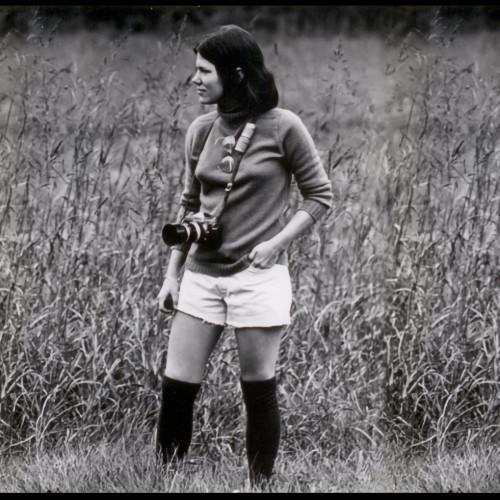 Sherman enrolled at MICA, planning to study graphic design. But within her first semester, she realized that design, as it was taught then, didn’t feel like the right fit. Instead, she turned to photography, drawn to its experimental possibilities and to the way it allowed her to explore the unknown.
“I’d always been a drawer,” she says. “But photography seemed like a way of learning about myself, of experimenting with something I knew nothing about.”
Her early years at MICA were marked by rigorous drawing classes and demanding teachers, professors who were notorious for never giving A’s. Sherman, determined to prove herself, made it her goal to earn one. That drive for both mastery and discovery would become a hallmark of her practice.
Looking back, Sherman admits that what made MICA unique compared to other schools she might have attended was the quality of relationships between students and faculty.
“It’s strong, it’s intimate in the right ways, and there’s a kind of caring that comes with the size of the school,” she explains. “It’s not so big that you get lost, but it’s big enough to expose you to culture, to ideas, to experiences beyond the classroom.”
That balance — personal and rigorous, experimental and professional — would later inform how Sherman approached her own teaching and program building. When she returned to MICA years later as a faculty member, she brought not only the sensibility of a professional illustrator but also a conviction that illustration needed to be recognized as a storytelling discipline with its own perspective, not merely an offshoot of fine art.
“It was a challenge to take something so deeply seated in a fine arts point of view and bring it into an illustration point of view,” she reflects. “But that’s what illustration is: it’s about communication, about storytelling.”
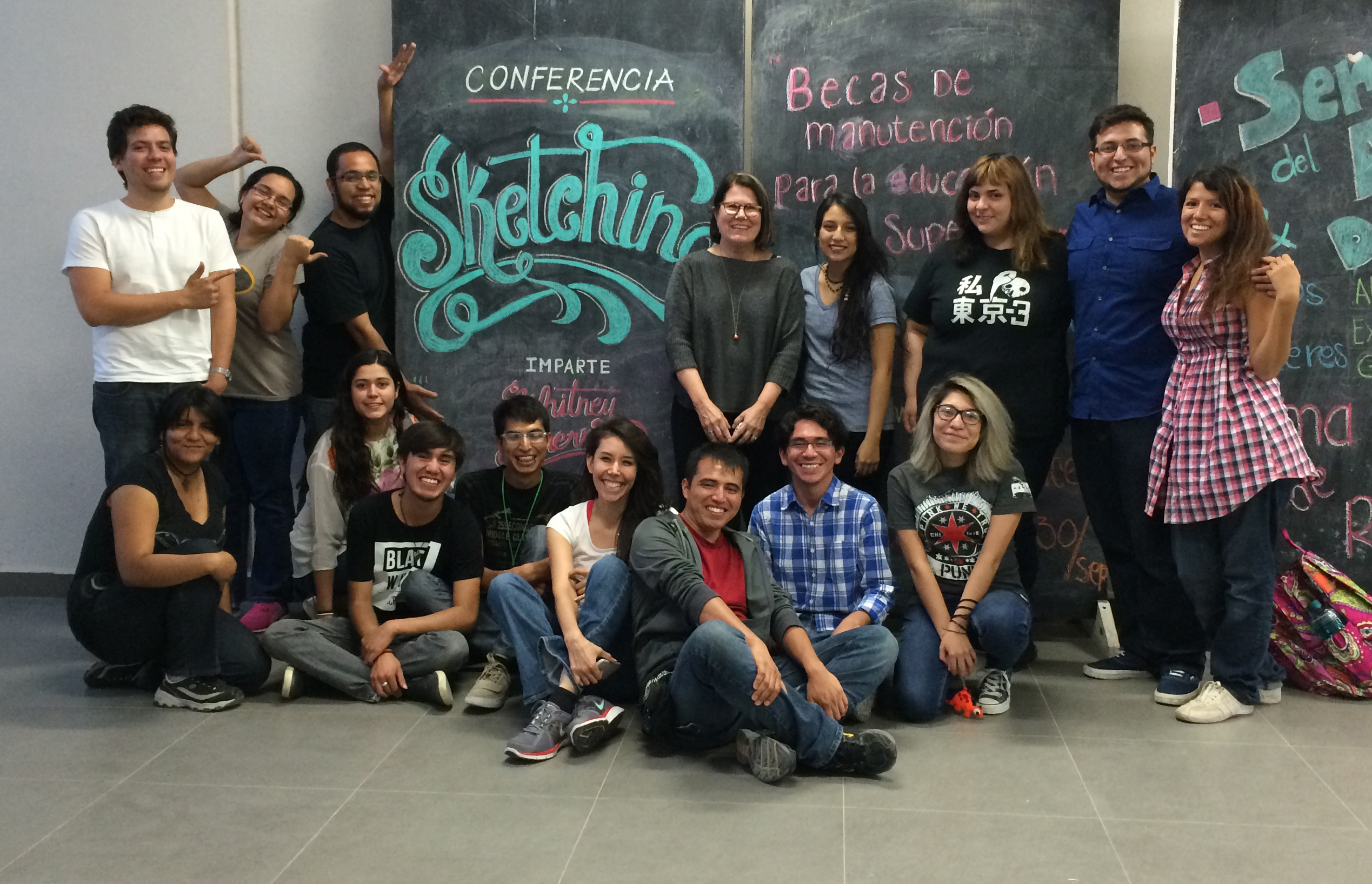
Sherman’s career outside MICA was diverse and influential. After earning her BFA in photography, she worked in advertising and packaging design, eventually becoming vice president and creative director at a Baltimore firm. Yet she never abandoned drawing. At night, she illustrated, experimenting across fields until she discovered editorial illustration as her true calling.
That professional experience proved invaluable when she became chair of MICA’s undergraduate illustration program. Under her leadership, the department grew into one of the school’s largest, fueled by her vision of aligning rigorous artistry with real-world applications. Later, as founding director of the MFA in Illustration Practice, she built something even more ambitious.
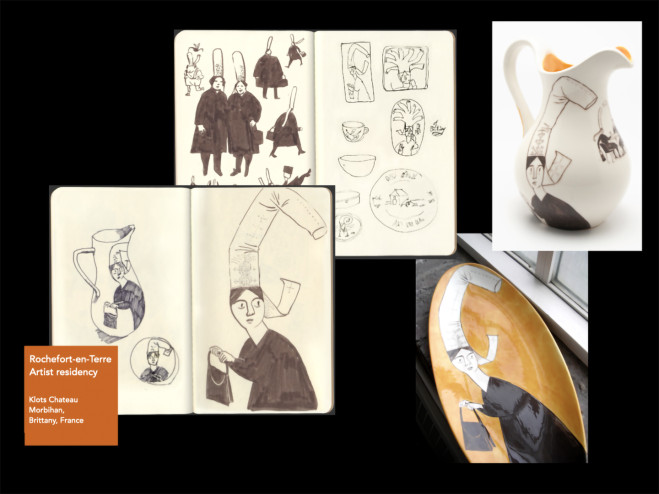
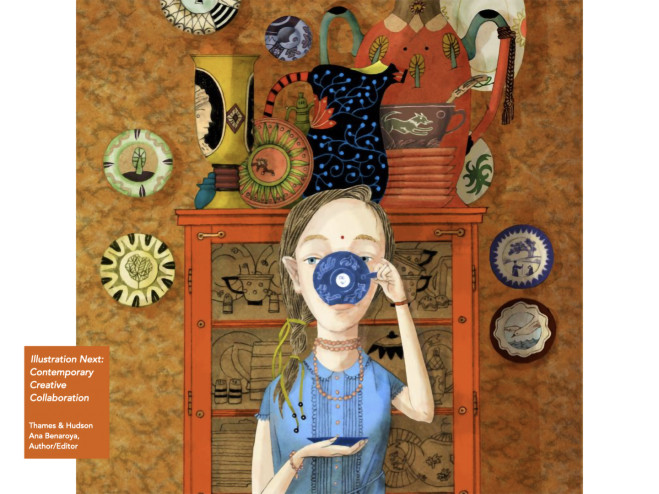
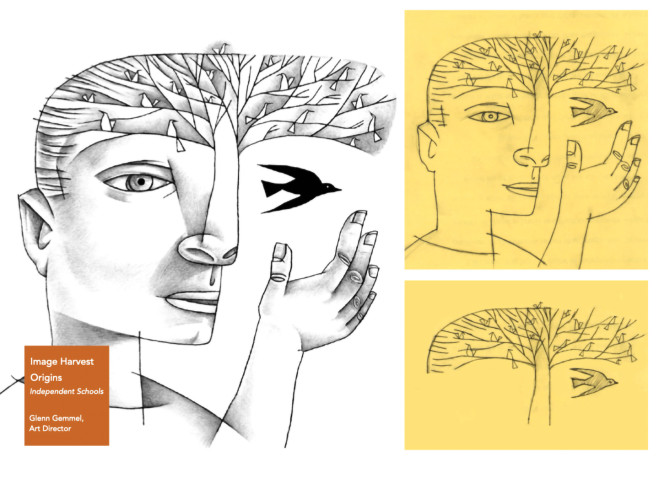

At the time, few graduate illustration programs existed in the United States. Sherman spent two years researching every possibility, from small, specialized offerings to programs hidden inside large universities. What she found was that most were narrow, focused on editorial or advertising illustration. She envisioned something broader.
“I wanted to create a program that gave students the license to define illustration for themselves,” she says. “They didn’t have to call themselves sculptors to make three-dimensional work. They didn’t have to stay in two dimensions. Illustration, at its heart, is bringing light to any subject. That can happen in any medium.”
This philosophy — expansive, interdisciplinary, and entrepreneurial — set MICA apart and prepared students for the unpredictability of creative careers. Many of her graduates went on to explore innovative forms of practice, crossing boundaries and reimagining what illustration could be.
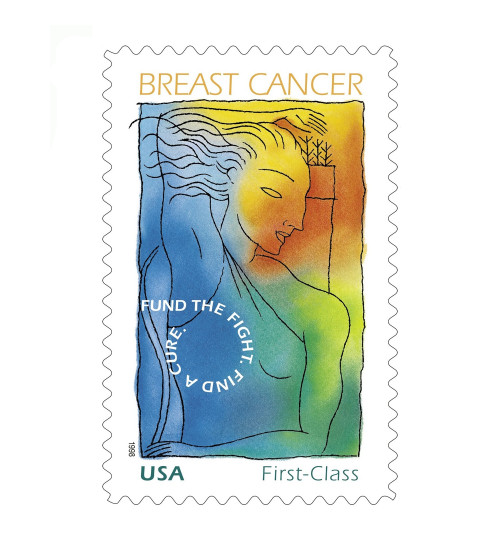
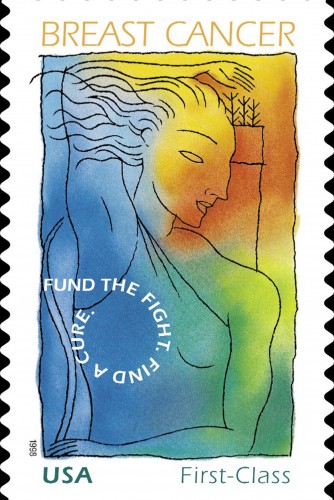 Sherman herself embodied the social impact of illustration through her own work. Commissioned by the U.S. Postal Service to design the nation’s first semi-postal fundraising stamp, she created the iconic Breast Cancer Research stamp. Still in circulation more than 25 years later, it has raised more than $100 million for research, an astonishing example of illustration’s power to serve the public good.
“That’s what illustrators do,” Sherman says. “We communicate ideas in the public sphere. It’s intentional, it’s accessible, and it connects.”
This summer, Sherman concluded another defining chapter of her MICA journey, retiring after decades of service that transformed illustration education at MICA. She leaves behind a lasting legacy as the founding director of the MFA in Illustration Practice and co-founder of the MA in Illustration, programs that have shaped generations of artists and expanded the possibilities of graduate illustration education. Her retirement coincided with another milestone: MICA hosted the Illustrators Conference: ICON13, the premier gathering for the illustration community. Long recognized for her leadership and dedication to ICON, Sherman was celebrated by colleagues and peers throughout the conference, making the event a fitting capstone to an extraordinary career as an artist, educator, mentor, and advocate for the field.
As MICA celebrates its 200th anniversary, Sherman sees the qualities that made the school distinctive in her own time continuing to shape its future. Flexibility, interdisciplinary exploration, and strong faculty-student relationships remain central.
“The world changes quickly, technology, the economy, the ways we make and share art,” she notes. “Students need to be ready for that. Having skills across different areas, being open to experimentation, that gives them confidence and resilience.”
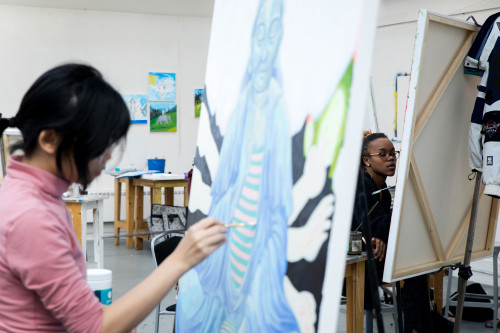
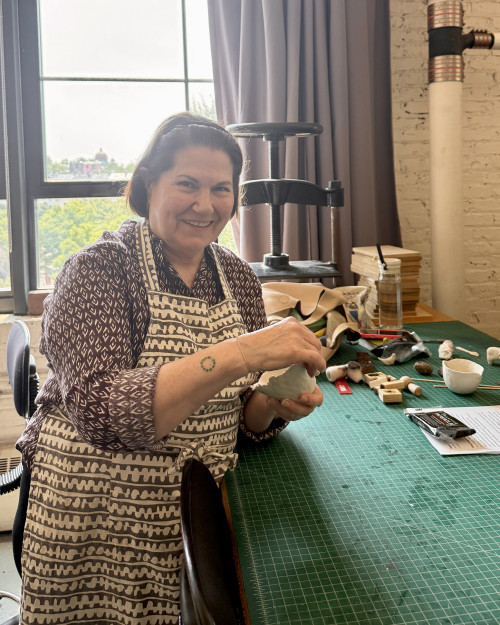
Sherman points to MICA’s labs and studios from clay to digital fabrication as places where illustrators can expand their practices. But more than the facilities, it’s the culture of openness and support that ensures MICA will carry its difference into the next century.
For Sherman, MICA’s uniqueness is deeply personal. It is the place where she began as a student, shifted directions, and ultimately discovered her calling. It is where she returned as a teacher and leader, building programs that expanded what illustration could be. It is where her daughter later enrolled as a student. It is where she met her second husband and where she forged lifelong friendships with colleagues.
“My journey at MICA is the story of my life,” she says simply.
Sherman’s story, woven of personal discovery, professional achievement, and institutional transformation, captures the essence of MICA’s bicentennial celebration. Across two centuries, students and faculty alike have come to the school seeking something more: an education that is rigorous, relational, and open to the unexpected. What they find, as Sherman’s journey shows, is that MICA is like no other.
Join the festivities as MICA honors its 200-year history, recognizes its present success, and looks forward to a bright future. Throughout 2026, the College will be sharing community stories and announcing one-of-a-kind events on campus, in Baltimore, and beyond.
 + Enlarge