When Francis (Frank) X. Rehak walks across Mount Royal Avenue today, it’s not just a stroll down memory lane. It’s a journey through more than 50 years of connection to MICA. A graduate twice over—BFA in Art Education in 1975, MFA in Art Education in 1981—Rehak’s story threads through MICA’s classrooms, Baltimore’s artistic communities, and international ventures in education and film. As MICA marks its 200th anniversary, his reflections remind us of what makes the college distinctive: its ability to draw out the whole person, nurture creative independence, and echo through generations.
Getting Hooked
Rehak’s introduction to MICA came before he even thought of college. As a high school student in Baltimore, he had what he calls “a fabulous art teacher” who suggested he try MICA’s summer classes. With his parents’ support—tuition then was just $90 per course—he enrolled and was hooked.
“I took a couple of classes over two summers,” he recalls. “That’s part of the reason I graduated early. MICA's president at the time accepted those credits, which pushed me over the line.”
By December 1975, Rehak had completed his BFA, taking 18 to 21 credits a semester while holding a part-time job. “I look back now and wonder where I got that energy,” he laughs. But that drive, paired with early encouragement, set him on a lifelong path of teaching, creating, and giving back.
Care for the Whole Person
For Rehak, the MICA difference begins with the people.
“In all my time there, only about two or three teachers were not my favorites,” he says with characteristic candor. “The vast majority were fabulous—strong, intelligent men and women who knew what they wanted you to do, and who helped you get there.”
This ethos, he adds, echoes the Jesuit principle of cura personalis, care for the whole person. “The teachers took you under their wing, cared for you, cultivated you.”
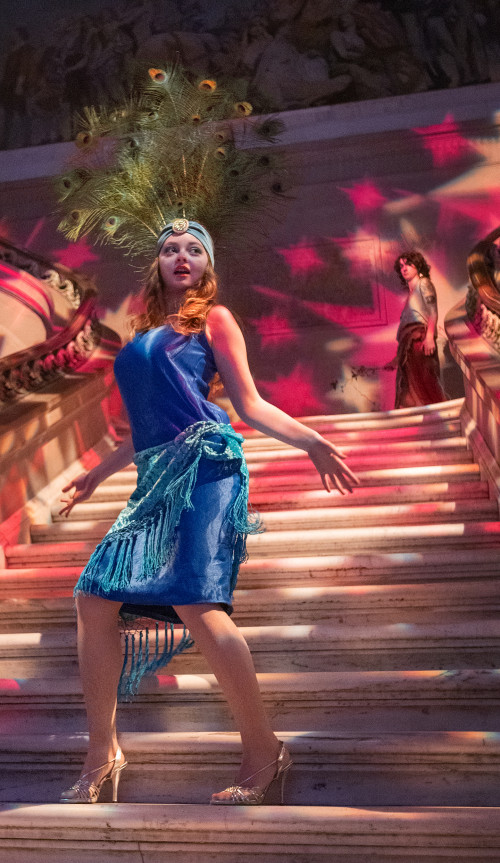
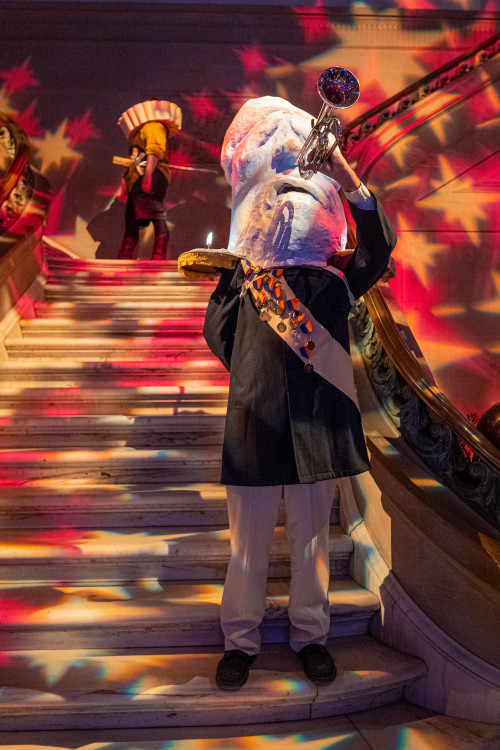
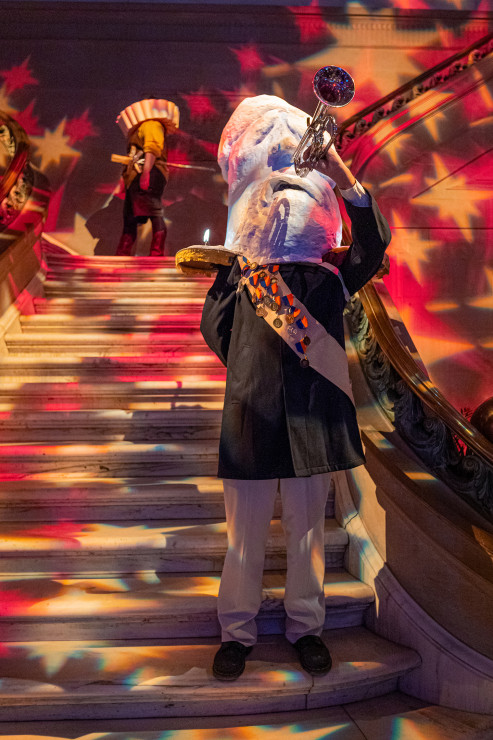
The 1970s at MICA were a vibrant, experimental time. From the exuberance of the “Satellite” parties—where students, faculty, and friends flooded the Main Building in wild costumes, light installations, and performance—to off-campus excursions to paint the Baltimore landscape, Rehak remembers an atmosphere of creative freedom tempered by rigor.
Professors left indelible marks: Jim Hennessy, a brilliant painting and drawing teacher; Stanley Friedman, who commuted from New York and led students outdoors to sketch the city; Davis Bowes, an art history teacher whose lectures inspired a lifelong appreciation of context and culture; and Richard Jaquish, a photographer and master printer who became so close to the Rehak family that he and his wife attended Rehak’s wedding.
“They weren’t just teaching content,” Rehak reflects. “They were shaping you as a person, and that’s what makes MICA like no other.”
Across Borders and Generations
MICA’s impact on Rehak’s career is visible across decades and continents. After graduating, he began teaching at Loyola Blakefield High School, a Jesuit high school in northern Baltimore. Encouraged by the headmaster, Rehak pursued his master's at MICA and received compensation for his graduate degree.
Beyond the classroom, Rehak co-founded the School of Photographic Studies in Prague and developed an enduring career as a photographer. His love of moving images led to involvement with the Baltimore Film Forum and later the Maryland Film Festival, where he served as a juror for more than a decade. His daughters joined the festival too, selling tickets and merchandise as teenagers, creating a family tradition tied to art and storytelling.
“My MICA education shows up most clearly in my photography,” he says, “but also in the way I was taught to keep learning, keep experimenting, keep doing the thing you love.”
Even his philanthropy reflects his MICA roots. A self-described bibliophile, Rehak has collected thousands of photography books over the years. When he was able, he donated directly to MICA’s library fund so students could have access to new resources. “I liked knowing the check went straight to books,” he explains. “It was my way of giving back to a place that gave me so much.”
Be Curious
As MICA looks toward its third century, Rehak’s advice to current students carries both urgency and generosity. “Live your life to the fullest,” he urges. “Do everything you can. Take extra classes if they’re covered by tuition, take classes you never thought you’d take. It may change your life.”
For the institution itself, his wish is simple: “Do great things. Be informed. Surround yourself with smart people and do them well.”
That clarity comes from a life shaped not just by coursework or career milestones, but by the intangible spirit of a school that invests deeply in its students’ growth. “MICA was never just about technique,” he says. “It was about shaping you into the kind of artist and person who would carry those lessons into the world.”
From teenage summer classes to global ventures in education and film, from Baltimore’s classrooms to its cultural festivals, Rehak’s journey embodies the MICA difference. His story—rooted in faculty mentorship, nourished by community, and sustained by generosity—underscores why, 200 years after its founding, MICA remains like no other school.